

Adjudicator Recruitment 2026
Adjudicator Recruitment 2026
The Traffic Penalty Tribunal (TPT) is inviting applications for appointment as independent adjudicators.
The TPT is the statutory tribunal for determining motorists’ appeals against civil penalties issued by enforcement authorities in England (outside London) and Wales.
The Tribunal’s part-time, fee-paid adjudicators are all independent lawyers of at least five years’ eligibility for judicial appointment, holding office with the consent of the Lord Chancellor.
The role is remote, with adjudicators sitting alone and using an online case management system. Hearings are conducted by Microsoft Teams or over the telephone. Adjudicators are required to manage cases and hearings, assess evidence, make findings of fact and apply the law before delivering a reasoned, written determination, all through the online system.
The position at a glance
- Role: Independent adjudicator (fee-paid office holder exercising a judicial function).
- Jurisdiction: England (outside London) and Wales – appeals against traffic penalties.
- Location: Remote (occasional travel for training).
- Required experience: At least five years’ eligibility for judicial appointment.
- Commitment: One e-decisions list per fortnight (the equivalent of approximately seven hours of work) + at least one sitting day per month (the availability of work is not guaranteed).
- Application deadline: Midnight on Friday 30 January 2026.
- Interviews: March 2026, Wilmslow, Cheshire.
- How to apply: Send a CV and covering letter explaining your reasons for applying, and how you meet the specified five-year eligibility requirement, to the Chief Adjudicator at: recruitment@tpt.gov.uk.
The Traffic Penalty Tribunal (TPT) is inviting applications for appointment as independent adjudicators.
The TPT is the statutory tribunal for determining motorists’ appeals against civil penalties issued by enforcement authorities in England (outside London) and Wales.
The Tribunal’s part-time, fee-paid adjudicators are all independent lawyers of at least five years’ eligibility for judicial appointment, holding office with the consent of the Lord Chancellor.
The role is remote, with adjudicators sitting alone and using an online case management system. Hearings are conducted by Microsoft Teams or over the telephone. Adjudicators are required to manage cases and hearings, assess evidence, make findings of fact and apply the law before delivering a reasoned, written determination, all through the online system.
The position at a glance
- Role: Independent adjudicator (fee-paid office holder exercising a judicial function).
- Jurisdiction: England (outside London) and Wales – appeals against traffic penalties.
- Location: Remote (occasional travel for training).
- Required experience: At least five years’ eligibility for judicial appointment.
- Commitment: One e-decisions list per fortnight (the equivalent of approximately seven hours of work) + at least one sitting day per month (the availability of work is not guaranteed).
- Application deadline: Midnight on Friday 30 January 2026.
- Interviews: March 2026, Wilmslow, Cheshire.
- How to apply: Send a CV and covering letter explaining your reasons for applying, and how you meet the specified five-year eligibility requirement, to the Chief Adjudicator at: recruitment@tpt.gov.uk.
Background and legal basis of the TPT
The Tribunal operates within the statutory civil enforcement framework that requires motorists to have access to an independent appeal process.
The Tribunal’s jurisdiction includes appeals relating to civil penalty charges issued in England (outside London) and Wales for parking, bus lane, moving traffic, Clean Air Zone and littering from vehicles contraventions.
The TPT also sees appeals against penalties from a number of other Road User Charging schemes in England, including:
- the Dartford-Thurrock River Crossing (‘Dart Charge’) scheme
- the Mersey Gateway Bridge Crossings (‘Merseyflow’) scheme
- the Durham Road User Charge Zone, and
- the Oxford Congestion Charge.
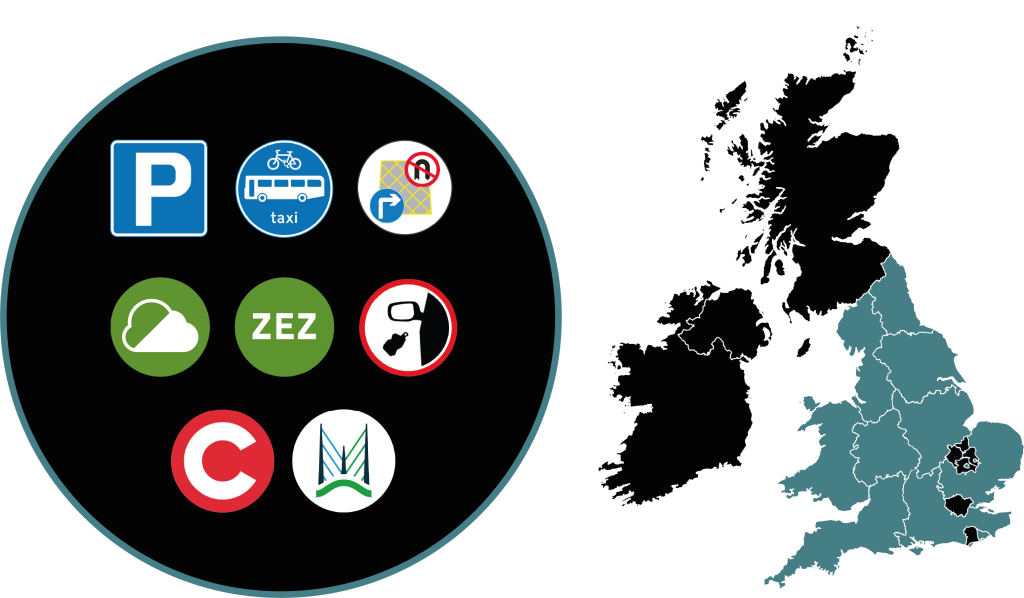
The Traffic Management Act 2004 and its Regulations form the core statutory basis of the Tribunal’s work, together with the Transport Act 2000 (for road user charging) and Environmental Protection Act 1990 (for littering from vehicles).
The Tribunal is funded and administered on behalf of the more than 300 authorities enforcing these restrictions, by the Parking and Traffic Regulations Outside London (PATROL) Joint Committee.
Background and legal basis of the TPT
The Tribunal operates within the statutory civil enforcement framework that requires motorists to have access to an independent appeal process.
The Tribunal’s jurisdiction includes appeals relating to civil penalty charges issued in England (outside London) and Wales for parking, bus lane, moving traffic, Clean Air Zone and littering from vehicles contraventions.
The TPT also sees appeals against penalties from a number of other Road User Charging schemes in England, including:
- the Dartford-Thurrock River Crossing (‘Dart Charge’) scheme
- the Mersey Gateway Bridge Crossings (‘Merseyflow’) scheme
- the Durham Road User Charge Zone, and
- the Oxford Congestion Charge.
The Traffic Management Act 2004 and its Regulations form the core statutory basis of the Tribunal’s work, together with the Transport Act 2000 (for road user charging) and Environmental Protection Act 1990 (for littering from vehicles).
The Tribunal is funded and administered on behalf of the more than 300 authorities enforcing these restrictions, by the Parking and Traffic Regulations Outside London (PATROL) Joint Committee.
Why the Traffic Penalty Tribunal?
Appointment as an adjudicator to the Traffic Penalty Tribunal offers the opportunity to undertake a substantive judicial role within a well-established statutory jurisdiction, supported by modern systems and ways of working.
Over the last decade, in particular, the Tribunal has revolutionised its appeals management through an end-to-end online appeals case management system.
The system supports a remote working model that allows adjudicators to sit from their own locations (within the UK) and is attractive to applicants seeking a part-time judicial appointment that combines responsibility with flexibility.
The jurisdiction also regularly expands in response to legislative and policy change – appeals from moving traffic and Clean Air Zone enforcement in England, for example, being taken on by the TPT in just the last five years – giving adjudicators exposure to an area of law of increasing public importance.
Find out more about the online system and user experience or watch a short video below.

Why the Traffic Penalty Tribunal?
Appointment as an adjudicator to the Traffic Penalty Tribunal offers the opportunity to undertake a substantive judicial role within a well-established statutory jurisdiction, supported by modern systems and ways of working.
Over the last decade, in particular, the Tribunal has revolutionised its appeals management through an end-to-end online appeals case management system.
The system supports a remote working model that allows adjudicators to sit from their own locations (within the UK) and is attractive to applicants seeking a part-time judicial appointment that combines responsibility with flexibility.
The jurisdiction also regularly expands in response to legislative and policy change – appeals from moving traffic and Clean Air Zone enforcement in England, for example, being taken on by the TPT in just the last five years – giving adjudicators exposure to an area of law of increasing public importance.
Find out more about the online system and user experience or watch a short video below.
Position details and responsibilities
The role is undertaken fully remotely using the Tribunal’s online case management system, with adjudicators sitting alone. TPT adjudicators are required to:
- manage cases and hearings appropriately
- assess and weigh the evidence provided
- make findings of fact
- apply the relevant statutory and case law
- deliver a reasoned, written determination
- consider ancillary applications.
Examples of key TPT adjudicator decisions are available on the external Traff-iCase website, which the Tribunal curates together with cases from other UK traffic penalty adjudicating bodies and Courts.
Eligibility
Applicants must have at least five years’ eligibility for judicial appointment, as defined under the Tribunals, Courts and Enforcement Act 2007 and required under the Tribunal’s primary underpinning legislation, the Traffic Management Act 2004.
Further guidance on eligibility for legally qualified candidates is available at the Judicial Appointments Commission here.
Time commitment
This is a part-time appointment. The availability of work is dependent on the number of appeals received and cannot be guaranteed. Applicants should, however, expect to be available to:
- complete at least one list of e-decisions per fortnight, and
- sit for at least one day per month.
IMPORTANT: Applicants should consider carefully whether they can meet these expectations before applying.
Fees
The appointment is fee-paid, calculated at 90% of the Ministry of Justice Salary Group 7 rate. The current rate is £77.16 per hour / £571 per day.
Position details and responsibilities
The role is undertaken fully remotely using the Tribunal’s online case management system, with adjudicators sitting alone. TPT adjudicators are required to:
- manage cases and hearings appropriately
- assess and weigh the evidence provided
- make findings of fact
- apply the relevant statutory and case law
- deliver a reasoned, written determination
- consider ancillary applications.
Examples of key TPT adjudicator decisions are available on the external Traff-iCase website, which the Tribunal curates together with cases from other UK traffic penalty adjudicating bodies and Courts.
Eligibility
Applicants must have at least five years’ eligibility for judicial appointment, as defined under the Tribunals, Courts and Enforcement Act 2007 and required under the Tribunal’s primary underpinning legislation, the Traffic Management Act 2004.
Further guidance on eligibility for legally qualified candidates is available at the Judicial Appointments Commission here.
Time commitment
This is a part-time appointment. The availability of work is dependent on the number of appeals received and cannot be guaranteed. Applicants should, however, expect to be available to:
- complete at least one list of e-decisions per fortnight, and
- sit for at least one day per month.
IMPORTANT: Applicants should consider carefully whether they can meet these expectations before applying.
Fees
The appointment is fee-paid, calculated at 90% of the Ministry of Justice Salary Group 7 rate. The current rate is £77.16 per hour / £571 per day.
Applying for the position
Applications should be addressed to the Chief Adjudicator, Caroline Hamilton, and submitted by email to recruitment@tpt.gov.uk by midnight on Friday 30 January 2026.
Applications must include a CV and a covering letter explaining your reasons for applying, and how you meet the specified five-year eligibility requirement.
Recruitment process
Shortlisted applicants will be invited to interview during March 2026 at the Tribunal’s offices in Wilmslow, Cheshire (please note that travel expenses will not be paid).
The selection process will include consideration of a case and preparation of a written decision.
Appointments will not be finalised until consent has been received from the Lord Chancellor.
Applying for the position
Applications should be addressed to the Chief Adjudicator, Caroline Hamilton, and submitted by email to recruitment@tpt.gov.uk by midnight on Friday 30 January 2026.
Applications must include a CV and a covering letter explaining your reasons for applying, and how you meet the specified five-year eligibility requirement.
Recruitment process
Shortlisted applicants will be invited to interview during March 2026 at the Tribunal’s offices in Wilmslow, Cheshire (please note that travel expenses will not be paid).
The selection process will include consideration of a case and preparation of a written decision.
Appointments will not be finalised until consent has been received from the Lord Chancellor.

 English (UK)
  Cymraeg